Enhance Natural Light: Why Installing Rooflights Is Worth It
Maximizing daylight by installing rooflights offers a number of advantages. Studies show that heightened access to daylight can enhance mood and productivity. Additionally, rooflights can lead to considerable energy savings by reducing the need for artificial lighting. However, important planning aspects and challenges must be taken into account. Being aware of these considerations is crucial for those considering such an installation. Taking action could uncover exciting potential for both residential and commercial spaces.
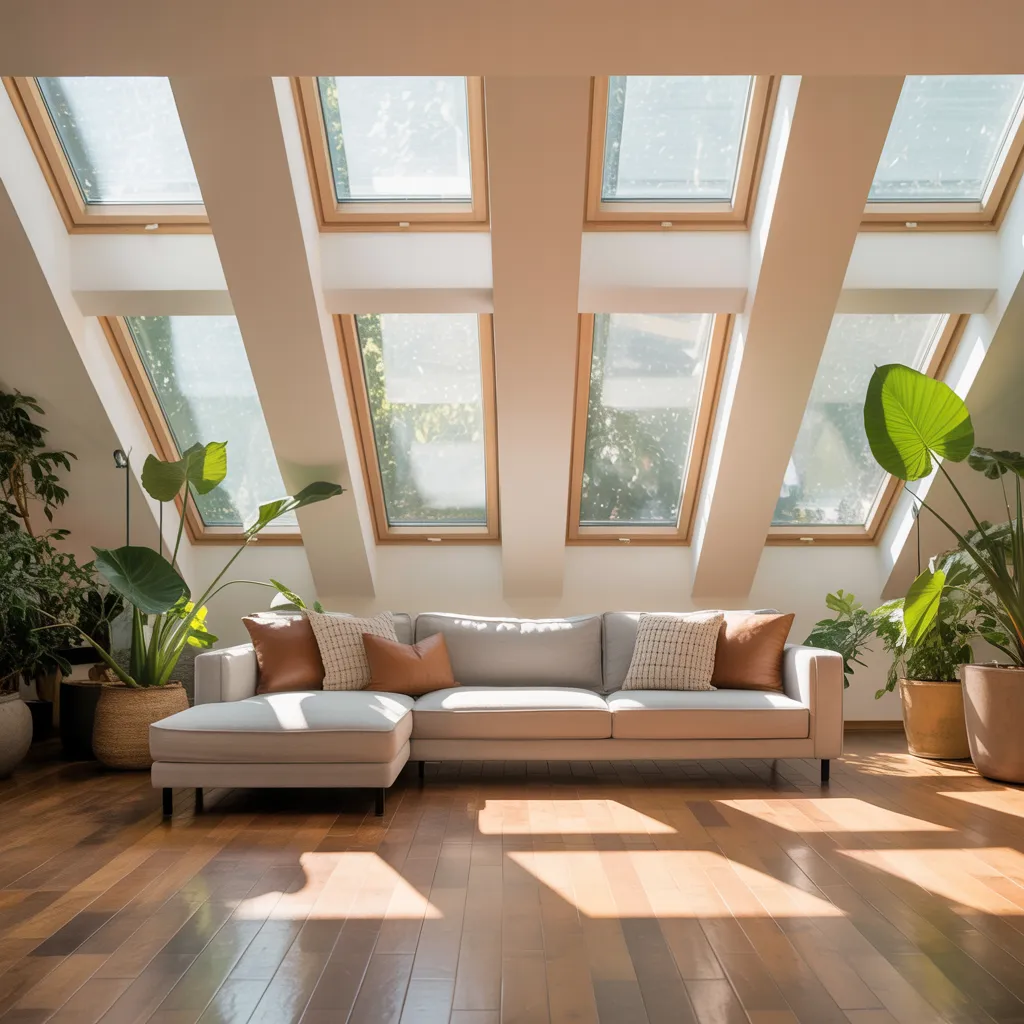
Understanding the Science of Natural Light and Well-Being
Natural light serves a vital function in enhancing well-being, with studies indicating that natural sunlight exposure can enhance mood and mental performance. Evidence shows that natural light impacts how the body produces serotonin, a hormone associated with happiness and concentration. Greater exposure may result in a decrease in feelings of depression and anxiety, encouraging a more optimistic state of mind.
Furthermore, sunlight helps control circadian rhythms, which are critical for sustaining healthy sleep cycles. Proper sleep, in turn, contributes to total physical health and emotional strength.
In both professional and residential settings, exposure to natural light is linked to greater productivity and innovative thinking, as workers and residents feel more inspired and driven. The ambiance established through natural light can also strengthen social engagement, fostering a feeling of togetherness and belonging. In essence, the integration of natural light into daily environments plays a vital role in promoting health and elevating the standard of living.

How Rooflights Increase Energy Efficiency
Maximizing natural light via rooflights not only benefits interior comfort but also substantially contributes to sustainable energy use. By permitting sunlight to filter through spaces, rooflights can decrease the demand on artificial lighting during daylight periods. This natural light source lowers energy consumption, resulting in reduced utility bills. Additionally, many modern rooflights are fitted with energy-efficient glazing, which can help stabilize indoor temperatures. By limiting heat loss in winter and reducing heat gain in summer, these installations provide a more comfortable living environment while reducing heating and cooling demands. The strategic positioning of rooflights can also promote cross-ventilation, further boosting air quality and minimizing the need for mechanical ventilation systems. Overall, incorporating rooflights into architectural designs not only illuminates interiors but is key to fostering a more eco-friendly and energy-conscious home.
Inspiring Design Ideas for Rooflight Installation
Enhancing spaces using rooflights can improve both visual appeal and practicality in any architectural design. Architects and designers increasingly incorporate rooflights in forward-thinking approaches to enhance natural light and create striking visual elements. To illustrate this, a series of linear rooflights can outline corridors, directing attention along a route while filling the area with abundant light.
In living spaces, large-format rooflights can act as impressive design elements, allowing expansive views of the sky. Moreover, integrating rooflights with skylight shades can generate adaptable spaces that accommodate shifting light conditions across the day.
Across kitchens and dining rooms, thoughtfully installed rooflights can illuminate workspaces while enhancing the ambiance during meals. Moreover, incorporating rooflights into green roofs encourages indoor plant growth by maximizing sunlight exposure. Such innovative design concepts not only support sustainable energy use but also transform everyday spaces into vibrant, inviting areas that celebrate the beauty of natural light.
How to Pick the Right Rooflight for Your Home
Selecting the right rooflight necessitates thorough consideration of multiple factors. It is important to assess space considerations, assess energy performance choices, and identify the appropriate glass type to achieve optimal performance and aesthetics. All of these factors serves an important purpose in enhancing both usability and comfort within the environment.
Determine Your Space Requirements
Evaluating space requirements is essential when picking a rooflight, as it directly impacts both performance and design. Assess the dimensions of the room where the rooflight will be fitted, including room height and surrounding elements. A more expansive rooflight can deliver a bold aesthetic statement and maximise daylight, but it may not be suitable for smaller spaces. Furthermore, the roof's pitch and orientation play an important role in establishing the most effective dimensions and position. It is also essential to account for any obstructions, such as structural protrusions or nearby foliage, that could restrict natural light. Considering these factors will guarantee that the preferred rooflight effectively complements the space while fulfilling the intended illumination and aesthetic goals.
Consider Energy Efficiency Options
When choosing a rooflight, energy efficiency should be a primary consideration, as they can significantly affect both comfort and energy bills. Homeowners should consider options such as thermal insulation ratings and energy-efficient framing materials. Rooflights featuring strong energy ratings limit heat loss during winter and lower heat gain in summer, promoting a stable indoor climate. Additionally, choosing models with low U-values can enhance overall efficiency, guaranteeing reduced energy usage. It is essential to evaluate the rooflight's positioning to maximize natural light while minimizing reliance on artificial lighting. By focusing on energy efficiency, individuals can create a sustainable environment that supports their lifestyle while reducing long-term energy expenses. Ultimately, thoughtful selections translate into enhanced comfort and meaningful cost reductions.
Choose the Right Glass Type
Choosing the right glass type for rooflights significantly impacts both aesthetics and functionality. Several choices, such as triple-glazed, double-glazed, and laminated glass, provide distinct advantages. Double-glazed glass offers excellent insulation and minimises heat loss, while triple glazing improves thermal performance, making it ideal for colder climates. Laminated glazing, in contrast, offers added security and sound insulation, which is beneficial in urban areas.
Furthermore, selecting low-emissivity (Low-E) glass can reduce ultraviolet radiation and glare, safeguarding interior spaces from fading. Evaluating safety specifications, as well as the glass's capability to endure impact or severe weather conditions, is equally important. At the end of the day, opting for the appropriate type of glass confirms that rooflights address specific requirements while enhancing overall comfort and aesthetic appeal.
Frequent Issues and Answers for Rooflight Installations
Although rooflight installations offer significant benefits, such as enhanced natural light and energy efficiency, various challenges can occur during installation. A frequent concern involves the possibility of leaks, often attributed to improper installation or inadequate sealing. To mitigate this, hiring experienced professionals and using high-quality materials is essential.
Another concern is thermal buildup during the warmer months, which can result in increased cooling costs. This can be resolved by choosing thermally optimized window glazing or integrating solar shading solutions.
Moreover, householders may be concerned about the integrity of their roof structure. Verifying that the roof is strong enough to carry the additional load of rooflights is critical, often requiring consultation with a structural engineer.
Lastly, concerns about privacy may surface when rooflights are positioned above neighboring properties. Thoughtfully situating rooflights or opting for obscured glass can address this problem. By dealing with these matters in advance, property owners can benefit from the full advantages of rooflight integration.
How to Keep Your Rooflights Looking Their Best
Caring for rooflights demands a consistent cleaning schedule to stop debris and dirt from building up. Moreover, regular checking of the seals can assist in detecting possible leaks or damage before they become major issues. These practices guarantee that rooflights stay functional and attractive over time.
Regular Cleaning Schedule
A consistent cleaning schedule is essential for maintaining the performance and transparency of rooflights. Regular cleaning not only enhances the aesthetic appeal but also guarantees maximum natural light penetration. Dust, pollutants, and organic matter can collect over time, hindering light flow and potentially compromising the rooflight structure. Rooflights should ideally be cleaned a minimum of twice annually, with extra attention following harsh weather conditions. Employing a soft cloth alongside a gentle, non-abrasive cleaning agent can successfully clear debris without scratching the rooflight. Residents should remain mindful of nearby areas to stop overgrown foliage or external obstructions from reducing light entry. Committing to a routine cleaning programme will increase the durability of rooflights and preserve their capacity to light up interior environments.
Check Seals Regularly
Regular cleaning helps maintain rooflights, but another essential aspect is the periodic inspection of seals. Seals are fundamental in preventing water penetration and supporting energy efficiency. With time, exposure to environmental elements can break down seals, causing leaks and rising energy costs. Seals should ideally be inspected a minimum of twice annually, especially following harsh weather conditions. Evidence of wear, such as cracks or openings, should be tackled without delay to avert more substantial complications. Expert evaluations can offer valuable information about the state of the seals and suggest appropriate repairs or replacements. Through consistent seal inspections, homeowners are able to maximize the longevity of their rooflights and sustain a comfortable living environment.
Inspiring Success Stories of Rooflight Installations
Although numerous property owners might be reluctant to invest in rooflight installations, countless success stories demonstrate their remarkable impact on both residential and commercial spaces. A particularly compelling example involves a London-based café which, following the installation of rooflights, experienced a 30% boost in customer footfall attributed to the enhanced natural light. This enhancement not only elevated the ambiance but also significantly increased sales.
In a domestic context, a family in a suburban home installed rooflights in their living room and kitchen. The result was a lighter, more welcoming environment that promoted quality family time and enhanced the overall value of their property.
Additionally, a professional office in Manchester experienced a significant improvement in staff morale and productivity after introducing rooflights into their building. These tangible examples highlight the value and versatility of rooflight installations, illustrating that they can elevate both functionality and aesthetic appeal across diverse spaces.
Common Questions and Answers
What Rooflight Options Are Available to Suit Different Building Styles?
A range of rooflight types encompasses flat, domed, and pyramid designs, each appropriate for varying architectural aesthetics. Heritage and traditional buildings frequently favor lantern designs, whereas contemporary structures tend to choose sleek, minimalist skylights to enhance aesthetics and functionality.
Can Rooflights Be Added to Already Built Structures?
Yes, rooflights can be added in pre-existing constructions. Qualified specialists evaluate the structure's structural integrity and design, ensuring effective fitting without undermining aesthetics or structural stability, allowing for enhanced sunlight in diverse spaces.
How Do Rooflights Affect Indoor Plants' Growth?
Rooflights greatly enhance indoor plants' flourishing by maximizing natural light absorption. This increased brightness boosts photosynthesis, leading to more vigorous plants, lush greenery, and greater flowering potential, ultimately establishing a more favorable setting for indoor plant cultivation.
Are There Specific Building Regulations for Rooflight Installations?
Distinct building regulations for rooflight setup vary by location, commonly focusing on energy efficiency, structural integrity, and safety. Compliance report with local codes secures proper installation, decreasing risks and maximizing the building's overall efficiency.
What Maintenance Expenses Are Involved With Rooflights?
Maintenance costs for rooflights typically include occasional cleaning, sealing, and replacement of worn components. Yearly costs typically fall between $100 to $300, depending on the model, scale, and reachability of the rooflight installation.